
Chandra Namaskar, a gentle sequence, honors lunar energy, differing from Sun Salutations with its softness and focus on relaxation and inner peace.
What is Chandra Namaskar?
Chandra Namaskar, also known as Moon Salutation, is a graceful and fluid yoga sequence designed to cultivate a sense of calm and inner peace. Unlike the energizing Sun Salutation, this practice emphasizes gentle, cooling movements that mirror the qualities of the moon – introspection, receptivity, and tranquility.
It’s a series of poses performed in a flowing manner, often synchronized with the breath, to promote flexibility, balance, and relaxation. The practice aims to connect you with your inner ‘Soma’ – a state of blissful contentment. It’s a beautiful alternative or complement to Sun Salutations, offering a different pathway to physical and mental well-being, particularly beneficial for those seeking a more restorative practice.
The Difference Between Sun and Moon Salutations
Sun Salutations (Surya Namaskar) are dynamic and invigorating, building heat within the body and energizing the system. They are characterized by strong, expansive movements, often performed to awaken and prepare for the day.
Moon Salutations (Chandra Namaskar), conversely, are gentle and cooling, promoting relaxation and introspection. They involve softer, more rounded movements, focusing on opening the hips and chest. While Sun Salutations are fiery and masculine, Moon Salutations are watery and feminine. One warms, the other soothes. Choosing between them, or practicing both, depends on your needs and the time of day – a perfect balance for holistic well-being.
Benefits of Practicing Moon Salutation
Chandra Namaskar cultivates balance, flexibility, and relaxation through gentle movements, offering a calming practice that contrasts with more vigorous yoga styles.
Physical Benefits
Moon Salutation gently stretches and strengthens the body, improving flexibility, particularly in the spine, hips, and hamstrings. The flowing sequence enhances joint mobility and circulation, promoting overall physical well-being. Unlike the heat-building Sun Salutations, Chandra Namaskar focuses on cooling and calming movements, making it ideal for those seeking a less strenuous practice.
Regular practice can alleviate tension in the back and shoulders, improve digestion, and even help to regulate the menstrual cycle. The poses encourage proper alignment and body awareness, fostering a deeper connection to your physical self. It’s a wonderful way to prepare the body for deeper meditative practices, releasing physical blockages that may hinder relaxation.
Mental and Emotional Benefits
Chandra Namaskar cultivates a sense of calm and tranquility, soothing the nervous system and reducing stress levels. The gentle, flowing movements encourage mindfulness and present moment awareness, helping to quiet the mental chatter. This practice is particularly beneficial for those experiencing anxiety, insomnia, or emotional overwhelm;
By connecting with the receptive, feminine energy of the moon, Moon Salutation can foster self-acceptance and emotional balance. It promotes introspection and allows for the release of pent-up emotions. The practice encourages a sense of surrender and trust, fostering inner peace and a deeper connection to intuition. It’s a beautiful way to nurture the emotional body.
Balancing the Doshas (Ayurvedic Perspective)
From an Ayurvedic standpoint, Moon Salutation is profoundly cooling and grounding, primarily pacifying Pitta and Vata doshas. The gentle, fluid movements and emphasis on hydration (through mindful breathing) counter the fiery, energetic nature of Pitta, reducing inflammation and promoting emotional equilibrium.
For Vata, the practice provides a stabilizing force, calming the nervous system and reducing feelings of anxiety or restlessness. While Kapha dosha might benefit less directly, the mindful movement can still prevent stagnation. Chandra Namaskar’s emphasis on ‘Soma’, the lunar bliss-nectar, supports overall well-being and harmonious doshic balance.
The Sequence of Poses in Moon Salutation
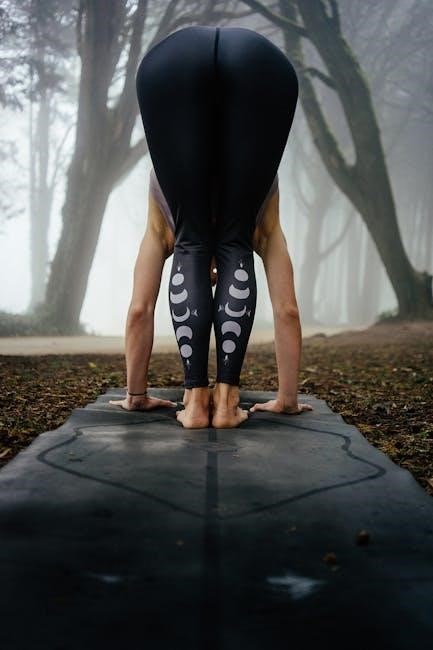
Chandra Namaskar involves graceful poses, emphasizing gentle movements and mindful transitions, creating a flowing sequence unlike the dynamic Sun Salutation practice.
Detailed Breakdown of Each Pose
Chandra Namaskar typically begins in a comfortable seated position, progressing through poses like Crescent Moon (Ardha Chandrasana), a gentle backbend opening the chest. Following this, poses often include Cat-Cow variations, promoting spinal flexibility and coordination with breath.
The sequence then incorporates poses that emphasize hip opening and gentle twists, fostering a sense of release and calm. Variations of seated forward folds and gentle side stretches are common, encouraging introspection and grounding. Each pose is held for several breaths, allowing for deep exploration and mindful awareness.
The flow concludes with a return to a seated position, often incorporating a calming restorative pose like Child’s Pose, solidifying the practice’s soothing effects.
Modifications for Beginners
For newcomers, modifying poses is crucial for a safe and enjoyable practice. Crescent Moon pose can be practiced with a hand supported on a block, reducing the stretch. Cat-Cow can be done slowly, focusing on gentle movement rather than a deep arch or round.
If hip opening poses feel intense, use a blanket under the hips for support. Beginners can also shorten the range of motion in forward folds, keeping a slight bend in the knees. Prioritize breath and listen to your body; never force a pose.

Resting in Child’s Pose whenever needed is highly encouraged. Remember, the goal is gentle exploration, not achieving a perfect form immediately.
Props to Enhance Your Practice
Utilizing props can significantly deepen and support your Moon Salutation practice. Yoga blocks are invaluable for bringing the floor closer in poses like Crescent Moon, making it accessible for all levels. A blanket under the hips during seated poses provides comfort and encourages proper alignment.
Bolsters can offer gentle support during restorative poses, enhancing relaxation. A strap looped around the feet in seated forward folds can help maintain a straight spine; Eye pillows can deepen relaxation during Savasana, promoting a sense of calm.
Don’t hesitate to experiment with different props to find what best suits your body and needs, fostering a more comfortable and beneficial experience.
Moon Salutation and the Lunar Cycle
Chandra Namaskar deeply connects to the moon’s energy, embodying qualities of peace, gentleness, and inward reflection, aligning with lunar phases.
Connecting to the Moon’s Energy
Chandra Namaskar isn’t merely a physical practice; it’s a profound connection to Soma, the moon’s watery bliss-nectar, representing delight and peaceful surrender. This practice invites a gentle, egoless joy, accessing inner tranquility.
Unlike the sun’s outward, expansive energy, the moon governs introspection and receptivity. Moon Salutation mirrors this, fostering a calming influence on the nervous system. By moving with the breath in a fluid, lunar rhythm, practitioners tap into the moon’s restorative power.
This mindful movement cultivates a deeper awareness of internal sensations and emotional states, promoting balance and a sense of wholeness. It’s about honoring the cyclical nature of life, just as the moon waxes and wanes.
Best Times to Practice Moon Salutation
Given its cooling and calming nature, Chandra Namaskar is ideally practiced during the evening, particularly as the moon rises, to fully harness its energy. This aligns with the moon’s peak influence, enhancing the practice’s restorative benefits.
Practicing before bed can promote restful sleep and ease anxiety, preparing the mind and body for deep relaxation. Alternatively, a gentle Moon Salutation during the full or new moon amplifies the lunar connection, offering a potent opportunity for introspection and release.
Avoid practicing intensely during the hottest part of the day, as it may feel counterintuitive to the practice’s cooling qualities. Listen to your body and adjust the timing based on your individual needs and the lunar cycle.
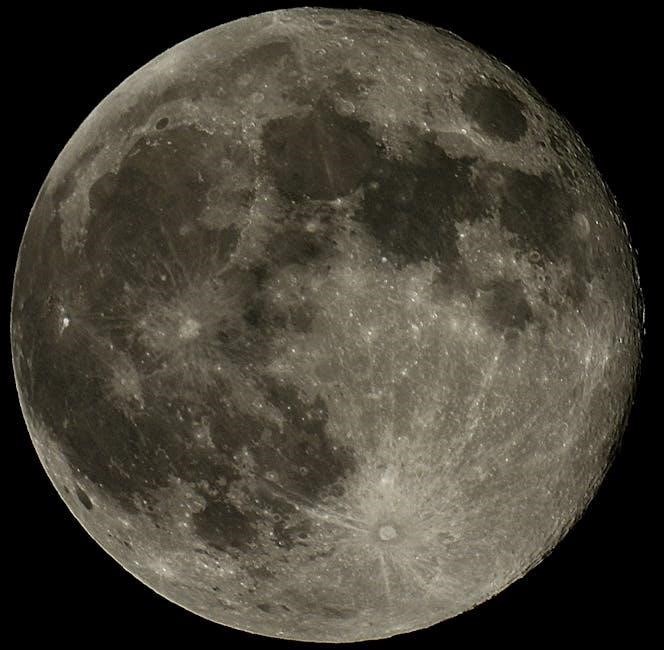
Creating a Moon Salutation PDF Guide
A comprehensive PDF should detail each pose, modifications, benefits, and lunar connections, offering accessible guidance for practitioners of all levels.
Essential Elements of a PDF Guide
A truly useful Moon Salutation PDF guide must incorporate several key elements for clarity and effective practice. High-quality photographs or illustrations demonstrating each pose are crucial, alongside detailed, step-by-step instructions.
Beyond the sequence itself, include a section explaining the benefits – both physical and mental – of Chandra Namaskar. Highlighting the connection to the moon’s energy and the best times to practice adds depth.
Don’t forget modifications for beginners and suggestions for using props to enhance the experience. A section on safety precautions and contraindications is vital, ensuring practitioners listen to their bodies. Finally, a brief introduction to the difference between Sun and Moon Salutations provides valuable context.
Resources for Creating a PDF
Several user-friendly tools can assist in crafting a professional Moon Salutation PDF guide. Canva offers pre-designed templates and intuitive drag-and-drop features, ideal for visually appealing layouts. Adobe InDesign provides more advanced control for complex designs, though it has a steeper learning curve.
For simpler documents, Microsoft Word or Google Docs can suffice, allowing for easy text formatting and image insertion. Online PDF converters readily transform documents into the desired format.
Remember to utilize royalty-free image websites like Unsplash or Pexels for high-quality visuals. Consider using a PDF editor to optimize file size and ensure accessibility for all users.
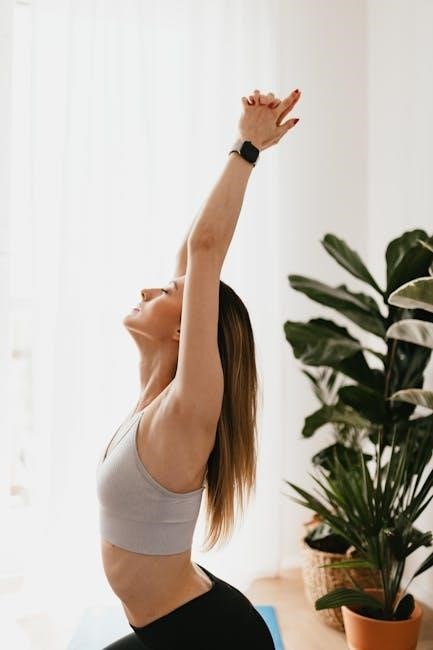
Variations of Moon Salutation
Moon Salutation adapts beautifully; explore standing and seated versions for diverse practice levels, enhancing flexibility and promoting a calming, balanced experience.
Standing Moon Salutation
Standing Moon Salutation maintains the core principles of Chandra Namaskar while performed upright, offering a grounding and accessible variation. Begin with feet hip-width apart, gently swaying from side to side, mirroring the moon’s subtle movements. As you inhale, raise your arms overhead, lengthening the spine and opening the chest.
Exhale, and gently curve forward from the hips, keeping the spine long. Allow your arms to hang heavy, releasing tension in the shoulders. Inhale, and slowly rise back to standing, arms overhead. Repeat this flowing sequence several times, synchronizing breath with movement. This variation is excellent for building gentle strength and improving balance, while still cultivating the calming effects of the practice. It’s a wonderful entry point for beginners or those seeking a less intense lunar flow.
Seated Moon Salutation
Seated Moon Salutation offers a deeply restorative practice, ideal for those seeking a gentle and accessible way to connect with lunar energy. Begin in a comfortable seated position, perhaps cross-legged or with legs extended. Inhale, lengthening the spine and reaching arms overhead, creating a gentle backbend.
Exhale, and slowly curve forward, allowing the torso to drape over the legs. Arms can hang heavy or rest on the floor. Focus on releasing tension in the back, shoulders, and hips. Inhale, and slowly sit back up, returning to the starting position. Repeat this flowing movement, coordinating breath with each pose. This variation is particularly beneficial for calming the nervous system and promoting emotional release, embodying the soothing essence of the moon.

Safety Precautions and Contraindications
Listen to your body during practice; avoid if pregnant, have low blood pressure, or recent injuries, modifying poses as needed for comfort.
Who Should Avoid Moon Salutation
Individuals with certain health conditions should exercise caution or avoid Moon Salutation altogether. Those experiencing low blood pressure may find the cooling nature of the practice exacerbates their symptoms, leading to dizziness or lightheadedness. Pregnant individuals, particularly in the first trimester, should modify or avoid poses involving deep twists or forward folds.
People with recent injuries, especially to the spine, hips, or knees, should consult a healthcare professional before attempting Chandra Namaskar. Similarly, those with chronic conditions like fibromyalgia or severe arthritis may need to adapt the practice significantly. Always prioritize listening to your body and refrain from pushing beyond your limits; gentle modifications are key to a safe and beneficial experience.
Listening to Your Body
Prioritizing self-awareness is paramount during Moon Salutation. Unlike more vigorous practices, Chandra Namaskar emphasizes a gentle approach, requiring you to tune into your body’s subtle cues. Pay attention to any sensations – discomfort, pain, or strain – and immediately modify or rest if needed.
Avoid pushing yourself into poses beyond your current range of motion. Remember, the goal isn’t to achieve a perfect form, but to cultivate a sense of ease and connection. Breath should remain smooth and even throughout the sequence; if you find yourself holding your breath, slow down. Respect your body’s limitations and honor its needs – this is the essence of a mindful practice.
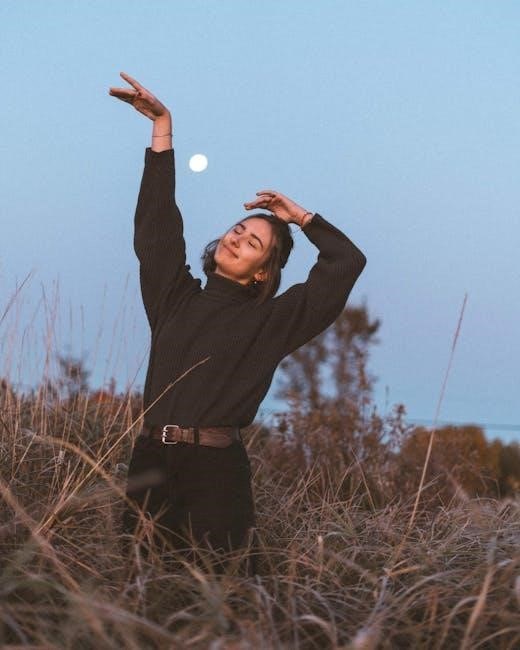
Finding Moon Salutation PDFs Online
Numerous online resources offer Moon Salutation PDF guides, providing pose breakdowns and sequences for convenient practice at home or in the studio.
Reputable Sources for PDF Guides
Seeking reliable Moon Salutation PDFs requires discerning sources. Yoga Journal frequently publishes well-illustrated sequences, often available for download or as part of broader yoga resources. Websites affiliated with certified yoga instructors or studios, like those offering Hatha-based classes (as seen at The Healing Loft), can provide accurate and safe guides.
Look for PDFs created by experienced yoga teachers with a strong understanding of Chandra Namaskar’s principles. Avoid sources with unclear origins or those promoting overly complex variations without proper modifications. Platforms like Etsy sometimes host independently created guides, but carefully review the creator’s credentials before purchasing. Prioritize resources emphasizing the gentle, flowing nature of the practice, aligning with the moon’s energy and promoting relaxation.
Evaluating the Quality of a PDF
Assessing a Moon Salutation PDF’s quality is crucial for a safe and beneficial practice. First, check for clear, concise instructions accompanying each pose, ideally with accompanying images or illustrations. A good guide will detail modifications for beginners and highlight potential contraindications, respecting individual limitations.
Look for a logical flow mirroring the sequence described in reputable sources, emphasizing the gentle, watery “Soma” energy. Beware of PDFs promoting forceful movements or ignoring the practice’s calming intent. The guide should demonstrate an understanding of Chandra Namaskar’s difference from Sun Salutations, focusing on flexibility and relaxation rather than vigorous heat-building. Finally, ensure the PDF is well-organized and easy to read, avoiding cluttered layouts or confusing terminology.