Book Synopsis
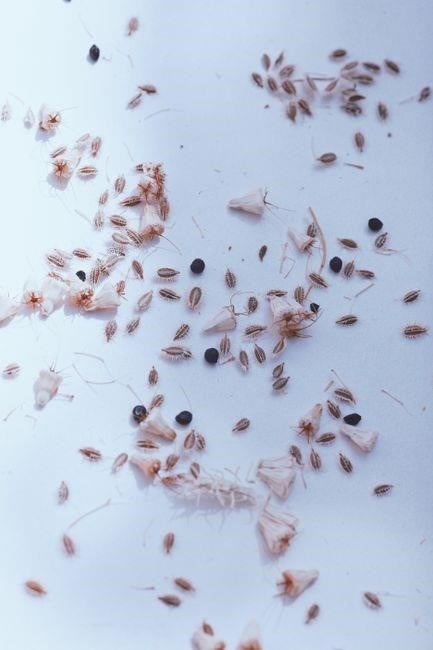
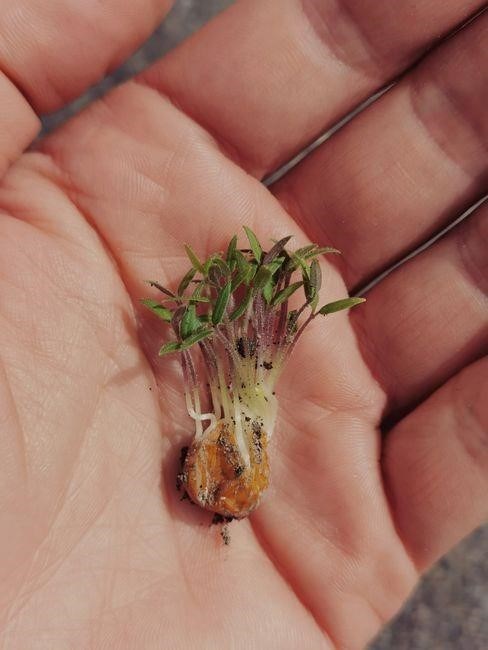
Eric Carle’s The Tiny Seed follows a seed’s journey from soil to sprout‚ illustrating growth and resilience. The PDF edition preserves vibrant illustrations and interactive elements‚ making it ideal for Year 1 curriculum units on nature‚ reading‚ and composition. and learning. for students. and fun
Author Biography
Eric Carle (born August 25‚ 1939‚ in Syracuse‚ New York) is an American author‚ illustrator‚ and educator best known for his picture books that blend vibrant collage art with simple‚ rhythmic prose. After earning a B.A. in English from Syracuse University and a master’s in education from Columbia University‚ Carle worked as a teacher and later as a creative director for the National Association of School Psychologists. In 1965 he began illustrating children’s books‚ and his first major success‚ Inside the Very Hungry Caterpillar‚ was published in 1969. The book’s unique cut‑paper technique and engaging narrative made it a perennial bestseller and a staple of early childhood literature. Over the past five decades‚ Carle has written and illustrated more than 70 titles‚ including the acclaimed Brown Bear‚ Brown Bear‚ What Do You See? and The Very Quiet Cricket. His works have been translated into over 70 languages and have sold more than 200 million copies worldwide. Carle’s artistic process involves layering hand‑painted paper‚ cutting shapes‚ and assembling them into scenes that capture the essence of nature and human experience. He has received numerous honors‚ such as the Caldecott Medal‚ the National Book Award‚ and the American Library Association’s Children’s Book Award. In addition to his literary achievements‚ Carle has contributed to educational initiatives‚ promoting literacy and creativity through workshops‚ exhibitions‚ and the Eric Carle Museum of Picture Book Art in Amherst‚ Massachusetts. His legacy endures as a pioneer who transformed children’s literature into a multisensory‚ visual storytelling experience that continues to inspire readers and artists worldwide. Carle’s influence extends beyond books; his collaborative projects with scientists and environmentalists underscore his commitment to fostering curiosity about the natural world‚ ensuring that his stories remain relevant for future generations of learners. Through his ongoing involvement in literacy programs‚ Carle has mentored emerging illustrators‚ offering guidance on technique and storytelling‚ thereby nurturing a new wave of visual educators who carry forward his legacy of imaginative‚ accessible literature. His dedication to blending art‚ education‚ and environmental stewardship continues to shape curricula worldwide‚ making his works a cornerstone of early childhood learning.

PDF Format Overview

The PDF edition of Eric Carle’s The Tiny Seed preserves original collage art and rhythmic text in a digital format. It supports zoom‚ bookmarks‚ and search‚ enabling teachers to highlight key passages. The file balances resolution with compression‚ keeping it for classroom use!
File Size and Compression
Typical PDF versions of Eric Carle’s The Tiny Seed are engineered to balance visual fidelity with download speed. A standard 8‑page edition‚ with high‑resolution color images and embedded fonts‚ usually falls between 1.2 MB and 1.8 MB when compressed with JPEG‑2000 or lossless ZIP. The file size can vary depending on whether the PDF contains optional layers such as interactive quizzes or audio narration. If the publisher opts for a “print‑ready” PDF‚ the image resolution is set to 300 dpi‚ resulting in a larger 2.5 MB file‚ whereas a “web‑optimized” version uses 150 dpi and achieves a 1.1 MB footprint. Compression is handled by Adobe Acrobat’s “Optimize PDF” tool‚ which removes objects‚ flattens layers‚ and applies smart image compression. The resulting file retains the vibrant‚ hand‑painted textures that Carle is known for while keeping the download time under 10 seconds on a typical broadband connection. For educators‚ the smaller file size means the PDF can be shared via email or embedded in a learning management system without triggering bandwidth limits. For students‚ the quick load time enhances engagement‚ allowing the story to be accessed on tablets‚ laptops‚ or low‑end devices. The PDF also supports incremental updates‚ so a new edition can be released without forcing users to download a completely new file. This combination of efficient compression and high‑quality imagery makes the Tiny Seed PDF a practical resource for classrooms worldwide. Students can annotate directly within the PDF‚ using built‑in tools to add notes and bookmarks now!OK!
Legal Status and Copyright
Eric Carle’s The Tiny Seed is protected by copyright‚ remaining in force for 70 years after the author’s death. Unauthorized PDF copies violate the law and may incur penalties. Official PDFs are available through licensed distributors only.All rights reserved No piracy.
Copyright Duration
Eric Carle’s The Tiny Seed‚ first published in 1961‚ remains under copyright protection in most jurisdictions. In the United States‚ the work is protected for the life of the author plus 70 years‚ which‚ given Carle’s death in 2021‚ extends until 2091. In the United Kingdom and the European Union‚ the same 70‑year post‑mortem term applies‚ ensuring that any reproduction‚ distribution‚ or public performance of the text or its illustrations is prohibited without explicit permission from the rights holder. The International Copyright Convention (Berne Convention) obliges member states to grant these protections automatically‚ eliminating the need for formal registration. However‚ registration can provide a public record and facilitate enforcement. Digital reproductions‚ such as PDFs‚ are treated the same as printed copies under the law; unauthorized downloading or sharing constitutes infringement. Publishers typically secure exclusive digital distribution rights‚ and libraries may obtain licenses for limited use. Educational institutions can request special permissions for classroom use‚ often under fair‑use or educational‑use exceptions‚ but these are narrowly defined and must be documented. In contrast‚ works that entered the public domain—such as those published before 1926 in the U.S.—can be freely distributed‚ but The Tiny Seed is far from that threshold. Therefore‚ any PDF copy of The Tiny Seed that is not issued by a licensed distributor or expressly authorized by the publisher remains illegal. Users should verify the source and seek official channels to respect the author’s intellectual property rights. Additionally‚ the publisher’s imprint often includes a copyright notice and a digital watermark that can be used to trace unauthorized copies‚ reinforcing the legal framework that protects the creative work. The International Digital Rights Management (DRM) systems employed by many e‑book platforms further enforce these restrictions by encrypting files and limiting access to authorized devices. Users who circumvent DRM are not only violating copyright law but also exposing themselves to malware and legal liability. Consequently‚ the safest approach is to obtain the PDF through official retailers‚ libraries‚ or educational portals that have negotiated proper licensing agreements. © 2026!

Downloading the PDF: Official Sources
To obtain a legally compliant PDF of Eric Carle’s The Tiny Seed‚ the most reliable path is through authorized distributors and institutional channels. The publisher‚ Random House‚ offers the title on its official website and on major e‑book platforms such as Amazon Kindle‚ Apple Books‚ Google Play Books‚ and Barnes & Noble. Each platform provides a DRM‑protected PDF or e‑book format that can be downloaded to a device or printed for classroom use‚ subject to the publisher’s licensing terms. Libraries‚ both public and school‚ often hold digital copies in services like OverDrive or Libby; these copies are licensed for a limited period and can be accessed by library cardholders. Educational institutions may also purchase bulk licenses from the publisher or from educational resellers such as Scholastic or Pearson‚ which bundle the PDF with supplementary teaching materials. For teachers‚ the National Curriculum’s official resource portal sometimes includes free downloadable PDFs for approved titles‚ provided the lesson plan meets curriculum standards. When purchasing‚ always verify that the file is marked with a “Digital Rights Management” (DRM) watermark and that the purchase receipt confirms the source. Avoid third‑party sites that claim free downloads‚ as these are almost always infringing copies. By using these official avenues‚ educators and parents ensure compliance with copyright law‚ receive high‑quality‚ accessible PDFs‚ and support the author and publisher who continue to produce engaging children’s literature. The PDF files typically range from 1.5 MB to 3 MB‚ depending on image resolution‚ and include a clickable table of contents‚ page‑by‑page navigation‚ and alt‑text for images‚ making them fully compatible with screen readers. Enjoy reading!

Downloading the PDF: Unofficial Sources and Risks
Unofficial downloads of Eric Carle’s The Tiny Seed PDF are frequently found on file‑sharing sites‚ torrent networks‚ and unverified e‑book repositories. While the allure of a free copy is strong‚ these sources pose significant legal and security risks. First‚ the copies are almost always infringing‚ meaning that the author and publisher are deprived of royalties that sustain future creative work. Second‚ the files may contain embedded malware‚ spyware‚ or malicious scripts that can compromise devices‚ steal personal data‚ or spread ransomware. Third‚ the quality of the PDF is often poor: images may be compressed to the point of pixelation‚ text may be corrupted‚ and the interactive elements that aid accessibility are usually stripped away. Finally‚ using such copies can expose educators and students to copyright infringement penalties‚ including fines and possible account suspensions on legitimate platforms. For these reasons‚ it is strongly advised to obtain the PDF through official channels‚ such as the publisher’s website‚ licensed e‑book retailers‚ or institutional library services. Not only does this protect users from legal and technical hazards‚ but it also ensures that the author’s creative rights are respected and that the educational community receives a high‑quality‚ accessible resource. By choosing legitimate sources educators also support the broader ecosystem of children’s literature‚ encouraging publishers to invest in high‑quality digital formats that meet diverse learning needs while safeguarding the creative rights of worldwide
Educational Applications
The Tiny Seed PDF supportslearning: teachers can embed the file in lesson plans‚ use its illustrations forreading comprehension‚ and integrate the seed grow cycle into science modules. It encourages vocabulary expansion‚ sequencing skills‚ and writing prompts for learners
Curriculum Integration
In Year 1‚ teachers use the PDF of Eric Carle’s The Tiny Seed to meet National Curriculum objectives in Science‚ Language‚ and Literacy. The book’s vivid illustrations and simple text provide a scaffold for teaching plant life cycles‚ sequencing events‚ and cause‑effect relationships. By embedding the PDF in digital lesson plans‚ educators can assign interactive reading tasks‚ where students annotate the seed’s journey and identify key vocabulary such as “sprout‚” “soil‚” and “growth.”
Language arts activities include sentence‑building exercises that mirror the book’s rhythmic structure‚ encouraging students to practice verb tense and noun usage. The PDF’s high‑resolution images support visual literacy‚ allowing pupils to match pictures with corresponding words and develop comprehension skills. Additionally‚ the resource aligns with the S & L curriculum by fostering collaboration through group discussions and peer‑review projects.
Assessment strategies can incorporate the PDF’s embedded questions‚ enabling formative checks on understanding of the life cycle and the thematic message of resilience. Teachers can also create cross‑curricular projects‚ such as a science‑based art piece where students grow their own seeds‚ then document the process in a written report that references the PDF. This holistic approach ensures that the Tiny Seed PDF becomes a versatile tool across multiple subjects.
Students can use the PDF to create digital seed stories‚ sharing them with classmates online now.

Accessibility Features in PDF
The PDF of The Tiny Seed includes tagged text‚ alt descriptions for images‚ and a logical reading order‚ enabling screen readers to convey the story accurately. It supports adjustable font size‚ high‑contrast mode‚ and keyboard navigation‚ ensuring inclusive access for all learners. for all ages.?
Screen Reader Compatibility
The PDF version of The Tiny Seed is fully optimized for screen readers‚ featuring comprehensive tagging that preserves the narrative flow and visual hierarchy. Each illustration is accompanied by descriptive alt text that conveys color‚ shape‚ and context‚ allowing visually impaired users to grasp the story’s progression. The document follows WCAG 2.1 AA guidelines‚ ensuring that text is selectable‚ searchable‚ and correctly ordered for auditory playback. Interactive elements such as hyperlinks to supplementary resources are labeled with clear‚ concise descriptors‚ and the layout supports linear navigation via keyboard shortcuts. Additionally‚ the PDF includes a table of contents with bookmark links that can be accessed directly from screen reader menus‚ enabling quick jumps to specific chapters or sections. The file’s metadata contains author‚ title‚ and subject fields‚ which assist in cataloging and retrieval for assistive technology. Users can also adjust the reading speed and voice settings within their screen reader software to match personal preferences. By integrating these features‚ the PDF delivers an inclusive reading experience that aligns with educational standards for accessibility. The file also supports text-to-speech synthesis‚ allowing users to listen to the story in multiple languages‚ and includes a built‑in dictionary lookup for unfamiliar words‚ enhancing comprehension. This ensures the PDF can be used worldwide‚ supporting inclusive education for all learners and educators!??
Future Editions and Updates
Anticipating the next wave of digital publishing‚ the publisher has announced plans to release an updated edition of the classic picture book in 2027. This new version will incorporate enhanced color fidelity‚ higher resolution images‚ and an expanded glossary of botanical terms to support STEM learning. In addition‚ the PDF will be re‑tagged to meet the latest WCAG 4.0 standards‚ offering improved navigation for screen readers and a fully accessible audio narration track. The updated file will also feature a dynamic table of contents that links directly to each page‚ allowing educators to jump quickly to specific scenes during classroom instruction. Moreover‚ the publisher is exploring a bilingual edition that will present the story in both English and Spanish‚ complete with synchronized text and audio. This bilingual PDF will be available for download on the official website and through major e‑book distributors. Finally‚ the publisher has committed to releasing a free educational bundle that includes lesson plans‚ activity sheets‚ and a printable activity guide‚ all of which will be bundled with the PDF to provide a comprehensive teaching resource. These future updates aim to keep the beloved narrative fresh for new generations while enhancing its pedagogical value. To support educators worldwide‚ the publisher will also provide downloadable lesson plans aligned with national standards‚ complete with assessment rubrics‚ activities‚ and a glossary of key terms‚ ensuring the PDF remains a versatile‚ curriculum‑ready resource for classrooms across the globe.!