
The discovery of remarkably preserved woolly mammoths, frozen for millennia, presents a unique challenge: accessing and analyzing their ancient genetic material.
The Challenge of Preserving Ancient DNA
Recovering DNA from a 52,000-year-old woolly mammoth isn’t like finding a pristine sample; it’s more akin to piecing together a shattered vase. Over vast stretches of time, DNA degrades, breaking into tiny fragments. Environmental factors, like temperature fluctuations and radiation, accelerate this process. The permafrost, while a fantastic preserver, doesn’t halt degradation entirely.
These fragments are heavily modified, often chemically altered, making accurate sequencing incredibly difficult. Contamination from modern DNA – from researchers, the environment, even bacteria – poses a significant hurdle; Scientists must employ sophisticated techniques to distinguish between authentic ancient DNA and more recent intrusions.
Furthermore, the DNA isn’t neatly organized; it’s fragmented and scattered. Reconstructing the complete genome requires assembling millions of these tiny pieces, a computationally intensive and complex task. PaleoHi-C, an adaptation of the Hi-C technique, is crucial for understanding the original 3D structure, aiding in accurate reassembly.
Why a “How-To” Guide? (A Thought Experiment)
Presenting the analysis of a mammoth genome as a “how-to” guide – even hypothetically – highlights the incredible complexity involved in unraveling ancient life. Imagine needing instructions to “wash” a woolly mammoth’s genetic code! It underscores the delicate and painstaking process of extracting, sequencing, and reconstructing a genome fragmented over millennia.
This approach emphasizes the need for specialized techniques like PaleoHi-C to understand the original 3D chromosomal structure, crucial for accurate assembly. It’s not simply about reading a sequence; it’s about understanding how that sequence was organized within the cell’s nucleus.
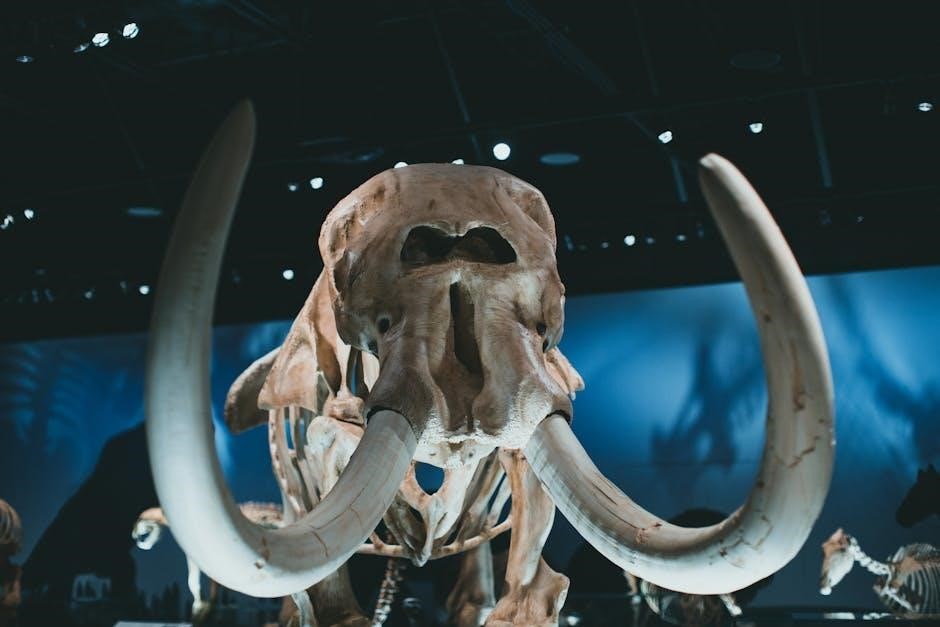
Considering such a guide also prompts reflection on the potential for de-extinction, the hypothetical regeneration of the species from preserved tissues and DNA. It’s a thought experiment that bridges the gap between scientific analysis and the ambitious goal of bringing back a lost giant.
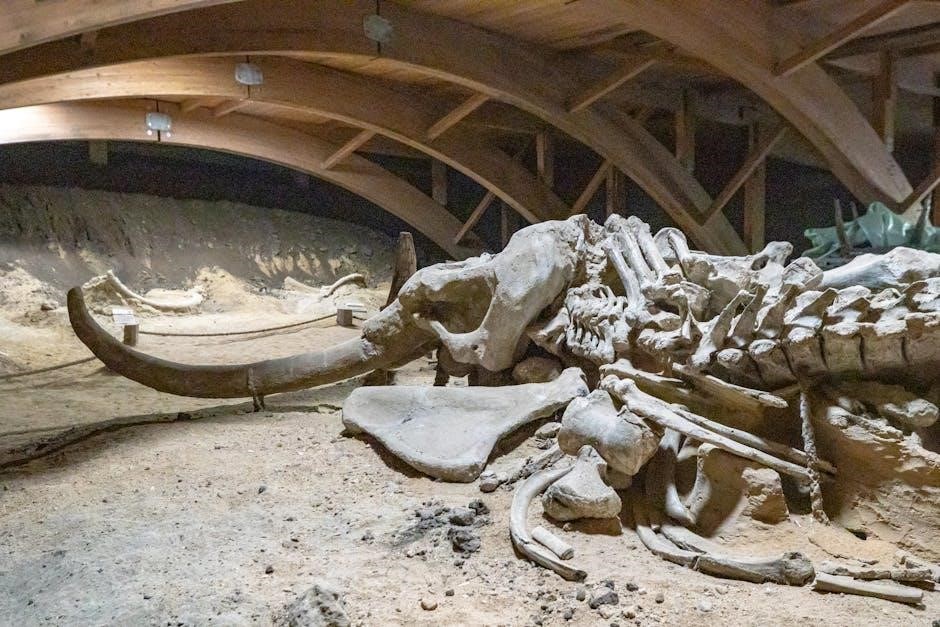
Understanding the Mammoth’s “Fabric”
The permafrost acted as a remarkable preservative, shielding the mammoth’s tissues and DNA from decay, offering a glimpse into its ancient genetic blueprint.
The Role of Permafrost in Preservation
Permafrost, ground that remains frozen for at least two consecutive years, is central to the exceptional preservation of woolly mammoth remains. This permanently frozen soil creates an environment where decomposition processes are dramatically slowed, effectively halting the natural breakdown of organic matter. The Siberian permafrost, in particular, has yielded numerous remarkably intact mammoth specimens, including those with preserved skin and muscle tissue.
The consistent, sub-zero temperatures prevent bacterial and enzymatic activity, crucial components of decay. Rapid burial within the icy sediments further contributes to preservation, shielding the remains from scavengers and the elements. This combination of factors allows for the survival of not only hard tissues like bones and teeth, but also soft tissues containing valuable ancient DNA. The integrity of this DNA is paramount for unlocking the secrets of the mammoth’s genome and evolutionary history.
Rapid Freezing vs; Instantaneous Freezing
While the popular image often depicts woolly mammoths frozen “instantly,” the reality is more nuanced. Truly instantaneous freezing, preventing any ice crystal formation within cells, is unlikely to have occurred. Instead, the preservation stems from rapid freezing facilitated by the unique conditions of their environment. This swift descent into sub-zero temperatures minimized the damage caused by ice crystal growth, which can rupture cell structures and degrade DNA.

The speed of freezing, combined with the protective effects of permafrost, is key. Rapid burial in icy sediments likely accelerated this process. Although not instantaneous, the speed was sufficient to preserve soft tissues and genetic material to an unprecedented degree. This rapid freezing is distinct from slower freezing processes, which would result in significant cellular damage and reduced DNA integrity, hindering scientific analysis.
Dehydration and Chromoglass Formation
Beyond rapid freezing, dehydration played a crucial role in preserving the genetic material within woolly mammoth remains. The same dehydration process responsible for preserving DNA in these ancient creatures may be present in other preserved remains, suggesting a broader preservation mechanism. Research indicates that both freeze-drying and heat-drying can induce the formation of “chromoglass” – a solidified, glass-like state of cellular contents.
This chromoglass formation effectively encapsulates and protects the DNA from degradation. It’s a remarkable phenomenon, implying that genetic structure can be retained even after significant tissue breakdown. The discovery suggests that a wider range of species might possess preserved genetic material than previously thought, opening new avenues for paleontological research and potentially, de-extinction efforts. This process is vital for understanding the mammoth’s genetic legacy.

Analyzing the Mammoth Genome
Scientists utilize advanced techniques like PaleoHi-C, an adaptation of Hi-C, to reconstruct the 3D structure of ancient mammoth DNA, revealing chromosomal organization.
PaleoHi-C: Unraveling the 3D Structure of Ancient DNA
PaleoHi-C represents a groundbreaking adaptation of the Hi-C technique, initially discovered in 2009, specifically tailored for the analysis of highly fragmented ancient DNA. Traditional Hi-C methods struggle with the degraded nature of genetic material recovered from fossils, but PaleoHi-C overcomes these limitations through specialized computational algorithms and experimental protocols.
This innovative approach allows researchers to reconstruct the three-dimensional architecture of ancient genomes, revealing how DNA was organized within the nucleus of mammoth cells tens of thousands of years ago. Understanding this spatial organization is crucial because it profoundly influences gene regulation and cellular function. By mapping the interactions between different regions of the genome, PaleoHi-C provides insights into the functional landscape of the extinct mammoth, offering clues about its adaptation to the harsh Pleistocene environment.
Essentially, it’s like reconstructing a complex puzzle from tiny, broken pieces, revealing the original shape and structure of the mammoth’s genetic blueprint.
Chromosomes and DNA Strands: A Basic Overview
Within the nucleus of every cell, DNA isn’t simply a loose collection of molecules; it’s meticulously organized into structures called chromosomes. Imagine chromosomes as incredibly tightly wound spools of thread, and the thread itself is the DNA strand. These strands contain the genetic code – the instructions for building and operating an organism.
Each chromosome is composed of a single, long DNA molecule, intricately coiled and packaged with proteins. This compact structure is essential for managing the vast amount of genetic information within a limited space. During cell division, chromosomes become visible under a microscope, appearing as distinct, X-shaped structures.
The arrangement and number of chromosomes are specific to each species. In the case of the woolly mammoth, understanding the structure and integrity of these chromosomes is paramount to deciphering its genome and potentially exploring de-extinction possibilities – like unraveling a jumbled skein of yarn.
The Significance of a 52,000-Year-Old Genome
The recovery of a 52,000-year-old woolly mammoth genome represents a monumental leap in paleogenomics. This isn’t merely about sequencing ancient DNA; it’s about accessing a snapshot of life from a bygone era, offering unprecedented insights into mammoth evolution, adaptation, and its relationship to modern elephants.
The remarkably well-preserved state of this specimen, found in Siberian permafrost, allowed scientists to assemble a nearly complete genome. This achievement, facilitated by techniques like PaleoHi-C, provides a detailed blueprint of the mammoth’s genetic makeup, far exceeding the resolution of previous studies.
Such a complete genome is crucial for understanding the genetic changes that occurred during mammoth evolution and for assessing the feasibility of de-extinction efforts. It’s a foundational resource for comparative genomics, allowing us to pinpoint the genes responsible for unique mammoth traits.

The “Washing” Process: DNA Extraction & Analysis
Extracting DNA from a mammoth requires careful techniques, beginning with sample acquisition and progressing through sequencing and genome assembly for analysis.
Step 1: Sample Acquisition (Hypothetical)
Imagine the logistical hurdles of obtaining a sample from a 52,000-year-old woolly mammoth, preserved within the Siberian permafrost. This isn’t simply “finding” a bone; it’s carefully excavating a potentially fragile specimen, complete with skin and muscle tissue – a remarkably rare find, as evidenced by the 2018 discovery. The process demands meticulous documentation of the surrounding icy sediments and geological context.
Hypothetically, specialized equipment would be crucial to prevent contamination and degradation during extraction. Maintaining a consistently cold chain is paramount, mirroring the conditions of preservation. Samples would need to be carefully removed, prioritizing tissues most likely to contain viable DNA. This initial stage dictates the success of subsequent analysis, influencing the quality and quantity of genetic material available for sequencing and ultimately, understanding the mammoth’s genome.
Step 2: DNA Extraction Techniques
Extracting DNA from a 52,000-year-old mammoth isn’t like processing a modern sample; the DNA is heavily fragmented and chemically modified. Traditional methods often fall short. Specialized techniques are required to overcome these challenges, focusing on maximizing yield while minimizing contamination. Researchers employ rigorous protocols to isolate the ancient DNA, often involving enzymatic digestion to release it from cellular debris.
Crucially, the process must account for the formation of “chromoglass,” a state of preservation achieved through dehydration – both freeze-drying and heat-drying can induce it. This impacts DNA structure and extraction efficiency. Sophisticated purification steps are then used to separate the ancient DNA from background noise, preparing it for the demanding process of genome sequencing and assembly. The goal is to recover enough usable genetic information for meaningful analysis.
Step 3: Genome Sequencing and Assembly
Once extracted, the fragmented ancient DNA undergoes high-throughput sequencing, generating millions of short DNA reads. However, assembling these reads into a complete genome is a monumental task, akin to piecing together a shattered vase. Specialized bioinformatics tools and algorithms are essential, accounting for the damage and gaps inherent in ancient DNA.
Techniques like PaleoHi-C, an adaptation of the Hi-C method, are pivotal. PaleoHi-C reveals the 3D structure of the mammoth’s chromosomes, providing crucial scaffolding for accurate genome assembly. This helps researchers understand how the DNA was organized within the cell nucleus, guiding the reconstruction process. The resulting genome, like the 52,000-year-old specimen analyzed, offers unprecedented insights into mammoth evolution and adaptation.
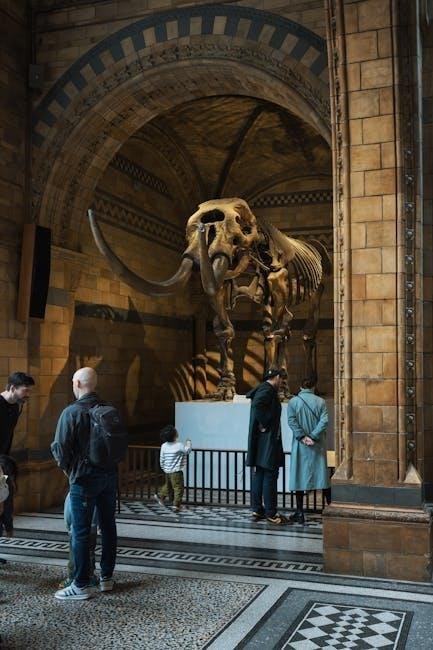
Beyond the Genome: Preserved Tissues
Remarkably, some mammoth remains include preserved skin and muscle, offering a window into the animal’s physical characteristics and providing further genetic material.
Skin and Muscle Preservation: A Rare Find
The 2018 discovery in Siberian permafrost was exceptional, yielding a 52,000-year-old woolly mammoth not just with bones, but with remarkably intact skin and muscle tissue. This level of preservation is exceedingly rare, offering scientists an unprecedented opportunity to study the mammoth’s physiology and cellular structure beyond the genetic code itself.
Such finds allow for investigations into protein structures, cellular composition, and even potential evidence of ancient diseases. The preservation isn’t simply about the DNA; it’s about the entire biological context. Understanding how these tissues survived for so long is crucial, informing preservation techniques for other ancient specimens and potentially even modern biomaterials.
The presence of soft tissues dramatically increases the potential for a more complete understanding of the woolly mammoth, moving beyond genomic data to a holistic biological profile. This discovery fuels the ongoing research into de-extinction possibilities.
The Impact of Freeze-Drying and Heat-Drying on Genetic Structure
Researchers investigated how different drying processes affect the preservation of genetic material, specifically focusing on the formation of “chromoglass.” This unique state occurs when biomolecules become trapped in an amorphous, glass-like solid, potentially protecting DNA from degradation over vast timescales.
The team discovered that both freeze-drying and heat-drying could induce chromoglass formation in remains. This suggests that the dehydration process itself, regardless of the temperature, plays a significant role in preserving genetic structure. This finding broadens the scope of potential preservation scenarios, indicating that genetic material might survive in a wider range of conditions than previously thought.
Understanding chromoglass formation is vital for assessing the potential for genetic recovery from various ancient remains, offering insights into the long-term stability of biomolecules.
The Revival Project: De-Extinction Possibilities
The well-preserved tissues and recovered DNA from woolly mammoths fuel hypothetical discussions about regenerating the species through advanced biotechnological interventions.
Hypothetical Regeneration of the Species
The prospect of “de-extinction” hinges on the quality of preserved genetic material, and the 52,000-year-old mammoth genome offers a compelling, though incredibly complex, starting point. Scientists envision utilizing techniques like CRISPR gene editing to insert mammoth DNA into the genome of its closest living relative, the Asian elephant. This wouldn’t create a perfect clone, but rather a hybrid possessing mammoth traits – increased cold resistance, subcutaneous fat layers, and potentially even the iconic shaggy coat.
However, significant hurdles remain. A complete genome is just one piece of the puzzle; epigenetic factors, the environment within the womb, and the intricate interplay of genes are all crucial for development. Successfully gestating a mammoth-elephant hybrid would require overcoming immunological challenges and ensuring the surrogate mother’s viability. The sheer scale of genetic modification and the potential for unforeseen consequences necessitate careful consideration and extensive research before any such attempt is made.
Ethical Considerations of De-Extinction
Bringing back the woolly mammoth isn’t simply a scientific endeavor; it’s fraught with ethical implications. Concerns center around the potential impact on existing ecosystems. Reintroducing a large herbivore like the mammoth could drastically alter vegetation patterns and disrupt the delicate balance of the Arctic tundra. Furthermore, the welfare of the hybrid animal itself must be paramount – ensuring a suitable habitat and social environment are crucial.
Resource allocation is another key debate. The immense cost of de-extinction projects could divert funding from vital conservation efforts focused on currently endangered species. Is it justifiable to invest heavily in resurrecting a lost species when so many others face imminent extinction due to human activity? Ultimately, a thorough and transparent public discourse is essential to weigh the potential benefits against the inherent risks and ethical dilemmas before proceeding with such a transformative undertaking.

Redbird Arena & Illinois State University: An Unexpected Connection
Redbird Arena, opening in 1989, supports Illinois State University through purchases at shops like Redbird Spirit Shop, benefiting students and programs.
The Arena’s Construction and Features
Formally known as Redbird Arena, this impressive structure first opened its doors in 1989, quickly becoming a central hub for Illinois State University events. The arena boasts a unique architectural design, notably featuring 24 Teflon-coated fiberglass fabric panels that form its roof, providing both durability and aesthetic appeal.
Inside, a portable wooden floor rests atop a concrete deck, offering versatility for various events, from basketball games to concerts. Lower seating sections are cleverly designed to fold back, maximizing space for stage productions and other large-scale performances. Specialized lighting arrangements further enhance the arena’s adaptability, ensuring optimal visibility and atmosphere for any occasion.
As the second-largest university arena in the state, Redbird Arena stands as a testament to Illinois State University’s commitment to providing exceptional facilities for its students and the wider community.
Supporting the University Through Purchases
Every purchase made at Redbird Spirit Shop – located on North Street and within the Bone Student Center – directly contributes to the betterment of the Illinois State University campus community. This isn’t merely shopping; it’s an investment in the future of the university and its students.
Your dollars have a tangible impact, fueling vital resources such as student scholarships, providing financial assistance to deserving individuals pursuing their academic goals. Furthermore, purchases support the development and implementation of innovative new programs, enhancing the educational experience for all.
By choosing to shop at Redbird Spirit Shop, you actively participate in shaping a brighter academic future for Illinois State University, fostering a thriving environment for learning, growth, and success. It’s a simple yet powerful way to demonstrate your Redbird pride and commitment.