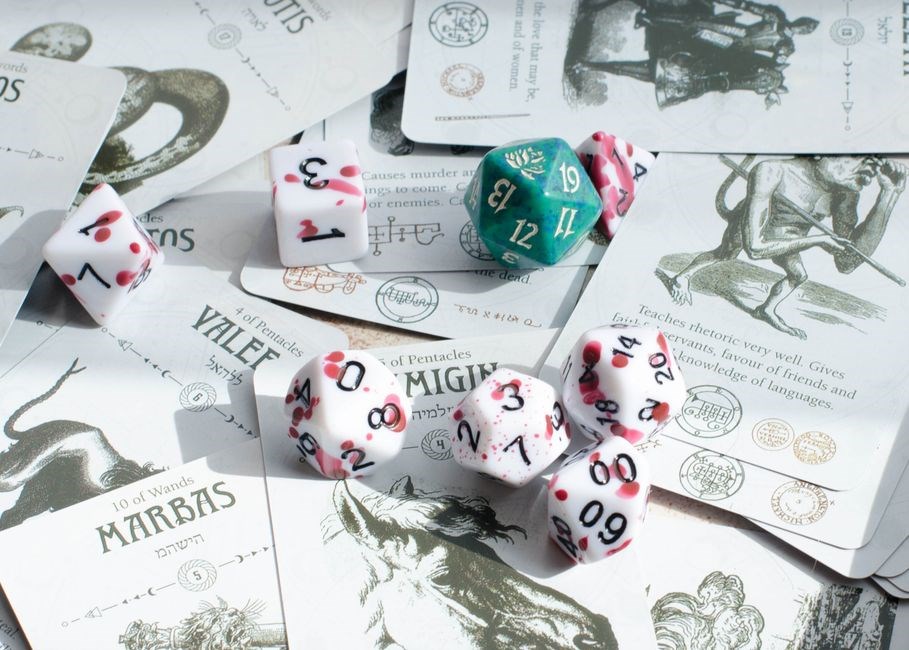
Index card RPG PDFs transform tabletop adventures into portable, instantly accessible resources. By digitizing concise character sheets, rules, and encounter data, players enjoy reference, seamless updates, and effortless sharing across devices, all while preserving the tactile charm of traditional cards.!

1.1 What Are Index Card RPGs?
Index card RPG PDFs are a digital evolution of the classic tabletop practice where players rely on small, easily handled cards to store rules, stats, and narrative hooks. By converting these physical cards into PDF files, designers and gamers can share, edit, and distribute content with unprecedented ease. The PDF format preserves the compact layout, allowing quick reference during sessions, while also enabling features such as hyperlinks, embedded images, and searchable text. This blend of portability and digital convenience invites both seasoned groups and newcomers to experiment with streamlined playbooks, encounter sheets, and character sheets that can be printed or viewed on any device. The transition to PDF also supports collaborative editing, version control, and cloud storage, ensuring that updates propagate instantly to all participants. Ultimately, index card RPG PDFs embody the spirit of modular design—compact, modular, and ready to adapt—while harnessing modern technology to enhance accessibility and playability across diverse gaming communities. Players can annotate PDFs with digital pens, bookmark crucial sections, and even embed audio cues, making each session a richer, more immersive experience. Moreover, the PDF format allows for dynamic scaling, so a single set can serve both tablet and large screen displays, ensuring clarity regardless of device size. In addition, educators and game masters can create custom modules that automatically update character sheets when new rules are added, eliminating manual retyping and reducing errors. Enjoy! fun. 🙂

Advantages of Using Index Cards in RPGs
Digital index card PDFs offer access, updates, and compatibility. Players can annotate, bookmark, and share sheets without physical clutter. The compact layout keeps sessions flowing,while storage ensures every group member sees the latest rules and stats!
2.1 Portability and Quick Reference
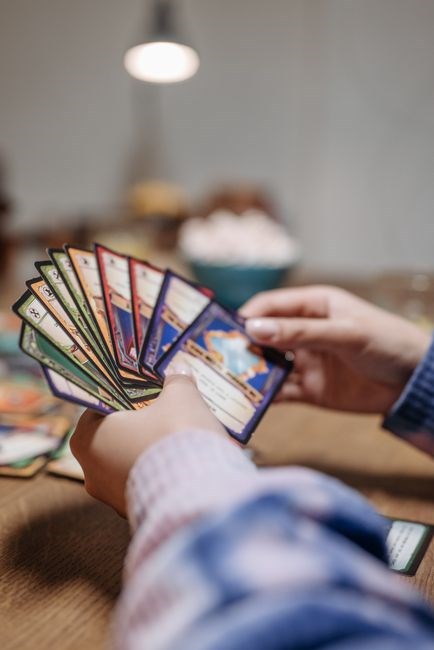
With an index card RPG PDF, the entire game’s core data—character sheets, combat tables, spell lists, and encounter summaries—fits into a single, easily downloadable file. Players can open the PDF on any device, from a tablet during a travel session to a laptop at the table, and instantly glance at the information needed for the next roll or decision. The compact format eliminates the need for bulky rulebooks or physical card stacks, allowing groups to carry all essential references in one lightweight file. Because the PDF can be bookmarked, highlighted, or annotated, each session can be customized on the fly, ensuring that the most relevant stats and rules are always at hand. This seamless portability saves time, cuts clutter, and enhances gameplay, making sessions smoother and more immersive for all players together. Moreover, PDF’s compatibility with cloud storage services means that a master copy can be updated centrally, and all players automatically receive the latest revisions without manual distribution. Finally, PDF’s compatibility with cloud storage services means that a master copy can be updated centrally, and all players automatically receive the latest revisions without manual distribution. Enjoy more.

Core Components of an RPG Index Card Set
Core components of an RPG index card PDF include character sheets, rule summaries, encounter tables, and item lists. Each page is sized like a standard index card, ensuring quick access and easy printing. The PDF format allows digital storage, sharing, and instant updates for all players, and dice for all! now!!
3.1 Card Types, Sizes, and Materials
When designing an index‑card RPG PDF, selecting the right card type, size, and material is essential for both usability and durability. The most common card type is the standard 3‑by‑5‑inch index card, which balances legibility and portability. For digital PDFs, this dimension translates to a 216‑by‑356‑point artboard, ensuring that printed copies match the intended layout without scaling issues. Some designers opt for a slightly larger 4‑by‑6‑inch format to accommodate more complex tables or artwork, while others choose a compact 2‑by‑4‑inch size for quick reference during fast‑paced sessions. The choice often depends on the game’s complexity and the players’ preferences for hand‑held versus table‑top use. Players often customize card sizes to match their gaming style; a 3‑by‑5‑inch card is ideal for quick glance, while a 4‑by‑6‑inch card allows detailed tables. Material choice can also reflect game theme: a rugged cardstock with a matte finish suits a gritty dungeon crawl, while a glossy stock enhances a high‑fantasy setting with vibrant artwork. When printing, ensure bleed lines are included so that no text is cut off at the edge. Finally, consider adding a small QR code on the back of each card that links to an online companion app for automated stat tracking. Additionally, embedding a small icon or color code on each card can help players quickly identify classes and rarity at a glance; These choices blend digital ease with charm!

Designing and Printing Your Own Index Cards
Begin by drafting a clean layout: set margins, choose fonts, and align stats for readability. Use a 3‑by‑5‑inch artboard in your design software, export to PDF, and print on sturdy cardstock. Test a sample, adjust bleed, then mass‑print for gameplay Enjoy! now
4.1 Layout Tips and Templates
When crafting an index‑card PDF, start with a consistent grid. A 3×5‑inch canvas works best; set 0.25‑inch margins to avoid bleed. Use a two‑column layout: left for core stats, right for abilities. Keep font size between 10–12 points for legibility. Bold section headers, italicize sub‑headers, and use a sans‑serif typeface like Arial or Calibri for clarity.
Templates save time. Create a master sheet with placeholders: Name, Race, Class, HP, AC, Skills, Spells. Duplicate the master for each character. For encounters, design a separate template: Enemy Name, Type, Stats, Tactics. Export each template as a PDF, then merge into a single document using a PDF editor;
Use vector graphics for icons to keep file size low. Include a QR code linking to an online resource for quick reference. Finally, proofread each card, print a test batch, and adjust spacing or font weight as needed before full production.
Choose a color palette that reflects the game’s tone. Light backgrounds with dark text keep cards readable in low light. Use accent colors sparingly for headers or icons to draw attention. Maintain consistent spacing—1/4 inch between sections to avoid clutter and aid quick scanning.
Before finalizing, play a session to spot layout issues. Check icons align, text doesn’t overflow, and PDF opens correctly on tablets. Adjust margins, tweak font weights, and re‑export until cards feel balanced.

Converting Physical Cards to PDF Format
Scan each card with a high‑resolution scanner, ensuring 300 dpi for clarity. Crop edges, adjust brightness, and save as JPEG. Use a PDF creator to batch‑convert images, then reorder pages to match original layout. Export a single PDF for sharing. Keep neat. No
5.1 Scanning and PDF Editing Tools
Scanning your index cards into a digital format is the first step toward creating a versatile PDF library. High‑resolution scanners, whether flatbed or sheet‑fed, capture crisp images at 300 dpi or higher, preserving fine details like inked symbols and hand‑written notes. After scanning, use image‑editing software such as Adobe Photoshop, GIMP, or even free online tools to crop borders, straighten skewed pages, and adjust contrast for maximum legibility. Once the images are clean, convert them to PDF using a batch‑conversion utility like Adobe Acrobat, PDFCreator, or the open‑source PDF24. If you prefer a more hands‑on approach, many scanners come with companion software that automatically stitches multiple scans into a single PDF, maintaining the original order of the cards. For those who want to add interactive elements, PDF editors such as Foxit PhantomPDF, Nitro Pro, or the free PDF-XChange Editor allow you to embed hyperlinks, form fields, or even small JavaScript snippets that can trigger pop‑ups or toggle visibility of hidden sections. This is especially useful for character sheets that need to reveal hidden stats or for encounter cards that can show optional modifiers. When working with large sets, consider using a PDF organizer like PDFsam to merge, split, or reorder pages without re‑scanning. Finally, always keep a backup of the original scans in a separate folder, as this gives you the flexibility to re‑edit or re‑export the PDF whenever rules change or new content is added. By combining reliable scanning hardware with powerful PDF editing tools, you can produce a polished, searchable, and shareable index‑card RPG PDF that enhances gameplay for everyone involved. Enjoy collaboration and daily quick updates across all platforms.

Sharing and Collaborating with PDF Index Cards
PDF index cards can be shared via cloud services, email, or collaborative platforms. Tools like Google Drive, Dropbox, or dedicated RPG sites allow real‑time editing, version control, and comment threads. Secure sharing ensures consistent rules across groups, while libraries accelerate prep time. instantly
6.1 Hosting Platforms and Collaboration Features
When distributing index‑card PDFs, selecting a platform that supports simultaneous editing, version history, and granular permissions is essential. Cloud services such as Google Drive, Dropbox Paper, and Microsoft OneDrive offer straightforward sharing links, while dedicated RPG repositories like RPGPDF provide community‑driven libraries and tagging systems. For real‑time collaboration, platforms that embed live chat or comment threads—e.g., Notion or Airtable—allow play‑testers to annotate changes directly on the PDF, ensuring that updates are tracked and reversible. Version control is especially valuable when multiple designers iterate on a campaign; Git‑based solutions like GitHub can host PDF assets alongside markdown documentation, enabling pull requests and issue tracking. When privacy is a concern, password‑protected PDFs hosted on secure servers or encrypted sharing services (e.g., Box) provide an extra layer of protection. Finally, integrating with tabletop simulators or virtual tabletop (VTT) engines—such as Roll20 or Fantasy Grounds—via PDF import features allows players to access the same index cards within the digital play space, maintaining consistency between physical and virtual sessions. Cloud versioning lets designers roll back mistakes merge edits from several authors, and keep a single source that grows with the campaign scope. It aids.
Future Innovations in Index Card RPG PDFs
Emerging tech will weave AR overlays, dynamic PDFs, and AI‑generated stats into index cards, enabling instant character updates, interactive maps, and voice‑controlled play. Seamless sync across devices will keep campaigns fluid and immersive in real time.!!

7.1 Interactive PDFs and Augmented Reality
Interactive PDFs elevate index card RPGs by embedding clickable elements, dynamic tables, and embedded media. Players can tap a skill icon to reveal modifiers, roll dice via embedded scripts, or open a linked map that updates in real time. Augmented reality layers add depth: pointing a device at a card triggers 3D models, animations, or contextual audio that syncs with the narrative. This synergy transforms static cards into living interfaces, allowing designers to push boundaries of storytelling while keeping the compact, portable format that index cards are known for. The integration of AR also supports collaborative play, as multiple users can view the same augmented content simultaneously, fostering shared immersion. Future iterations may incorporate machine‑learning to auto‑generate balanced stats or suggest encounter tweaks based on player performance, further blurring the line between paper and digital realms.
By leveraging PDF form fields, designers can embed interactive checklists, sliders, and auto‑calculations that update character stats on the fly. Coupled with AR markers, a simple scan can overlay real‑time combat grids, initiative trackers, or environmental effects, turning a single card into a dynamic play surface. This convergence of PDF interactivity and AR immersion promises a future where tabletop sessions feel as fluid as digital gaming, yet retain the tactile satisfaction of index cards.
Future updates may let designers embed voice prompts, adaptive difficulty, and weather overlays, making each session feel tailored.